
No wines found. Filter by country, varietal, and more on our All Wines page.
Browse All Wines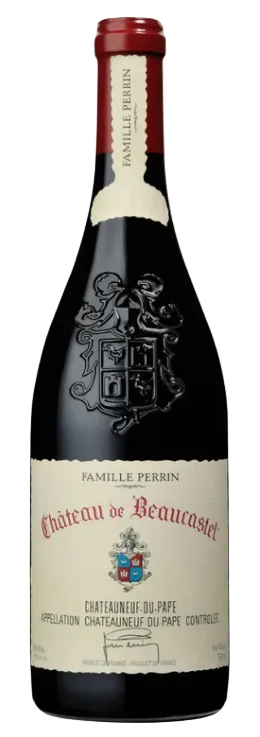

One of the most coveted labels in Southern Rhône
Mourvèdre and Syrah were fermented in oak while the remaining grapes were fermened in concrete, then MLF and blending before aging for 1 year in oak foudres
Year in and year out, this Beaucastel just delivers. It's always on our table. A masterpiece crafted from all thirteen permitted grape varieties, this wine offers a captivating tapestry of concentrated dark fruit, dried herbs (garrigue), and licorice. Powerful, complex, and impeccably balanced, it boasts the signature structure and longevity that makes it a true benchmark for the appellation. A cellar essential.
Dense licorice and forest berry aromas mask the deep tannin structure of this Chateauneuf-du-Pape masterpiece. Full-bodied but with a lightness of touch. Then the power and stony intensity pour over you in a giant wave. The freshness is extraordinary for this hot and dry vintage. Serious tannins in the very long, compact and refined finish. From organically grown grapes. Drinkable now, but best from 2027.
A tasting of the constituent parts this year, so this is a provisional score. The Terret Noir, Muscardin and Vaccarèse were fermented together; they provide the more fragrant top notes, bright and attractive if not deep. The Cinsault was perfumed and fresh, with fine tannins. The Counoise was more savoury, with more depth and tannin; tense and saline, and spicy thanks to 50% whole-bunch fermentation. The Grenache was soft and supple, fairly dark in colour, quite structured, with impressive freshness, tannins and acidity. The Syrah was deep, intense, black-fruited and peppery – quite potent in alcohol, with intense tannins. The Mourvèdre will be 30% of the blend, contributing mouthcoating, deep and succulent tannins, plenty of flesh and quite high alcohol. The overall impression is a deliciously rich and ripe Beaucastel.