
No wines found. Filter by country, varietal, and more on our All Wines page.
Browse All Wines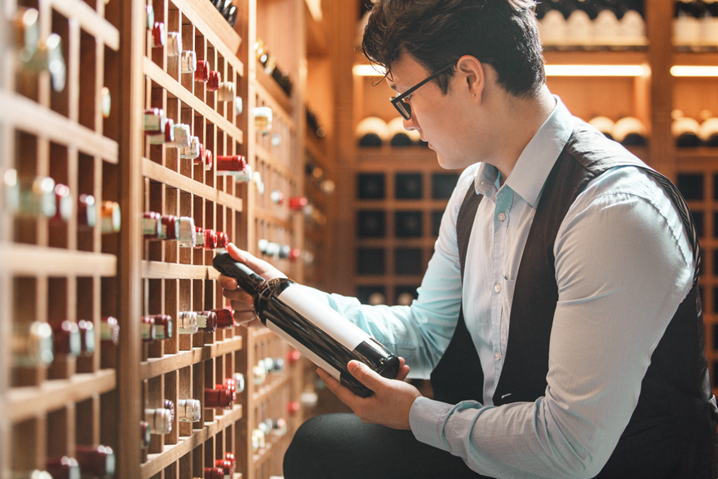
Whether you're an "occasional wino" or a dedicated connoisseur, understanding how to properly store and age your wine is crucial to maximizing its enjoyment. While the immediate gratification of popping open a bottle is tempting, proper storage ensures that each sip lives up to its full potential, and for some wines, even enhances it over time.
Wine is a living thing, constantly evolving in the bottle. Its delicate balance of fruit, acidity, and tannins can be easily disrupted by environmental factors. Improper storage can lead to premature aging, oxidation, or even spoilage, turning a potentially great wine into a disappointing experience. The goal of proper wine storage is to create a stable environment that allows the wine to mature gracefully, preserving its intended flavors and aromas.
Regardless of whether you're planning to drink a wine tomorrow or in a decade, these five factors are paramount:
Your approach to wine storage will largely depend on the quantity of wine you possess, its value, and your intentions for aging.
For wines you plan to consume relatively soon, a cool, dark pantry or closet is often sufficient. Avoid storing wine in the kitchen, where temperature fluctuations and appliance vibrations are common. Keep bottles away from direct sunlight and heat sources.
As your collection grows and you start acquiring wines with some aging potential, you might consider a dedicated wine cooler or cellar. These appliances are designed to maintain consistent temperature and humidity, offering a significant upgrade from basic pantry storage. They come in various sizes, from small countertop units to larger models capable of holding hundreds of bottles.
For serious collectors and those with a passion for aged wines, a professional wine storage facility or a custom-built wine cellar is the ultimate solution.
Not all wines are meant for aging. Most wines produced today are intended for consumption within 5 years. However, certain wines, particularly those with high acidity, firm tannins, and balanced levels of fruit and alcohol, can benefit significantly from years or even decades in the bottle. Aging can lead to:
Understanding the aging potential of a specific wine requires knowledge of the grape varietal, wine region, vintage, producer, and winemaking techniques. Reputable wine retailers, wine critics, wine journals, and websites/apps like CellarTracker can offer guidance on which wines are suitable for long-term cellaring.
By adhering to these rigorous standards for storage, the wine collector ensures that every bottle is given the best possible chance to evolve from a mere beverage into a profound and rewarding experience.
Occasional Wine is an online boutique wine shop, veteran owned and operated, dedicated to offering the world's best wines. Our selection is curated to satisfy every palate and perfectly complement any occasion.
